

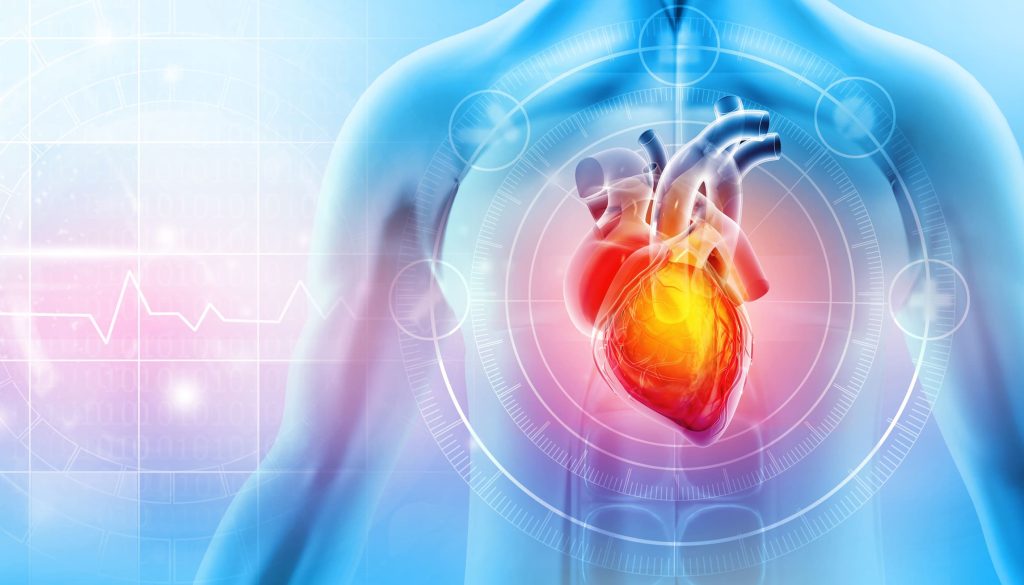
Cardiovascular diseases (CVDs) are the leading cause of death globally, accounting for millions of deaths each year. According to the World Health Organization, cardiovascular diseases are responsible for nearly one-third of all global deaths, making them a major public health concern.
These conditions affect the heart and blood vessels, often developing silently over time due to lifestyle and genetic factors.
What Are Cardiovascular Diseases?
Cardiovascular diseases refer to a group of disorders involving the heart and blood vessels.
Common Types of Cardiovascular Diseases
- Coronary artery disease (CAD)
- Heart attack (myocardial infarction)
- Stroke
- Hypertension (high blood pressure)
- Heart failure
These conditions can range from mild to life-threatening if not detected and managed early.
Causes of Cardiovascular Diseases
CVDs are typically caused by a combination of lifestyle habits and underlying medical conditions.
Key Causes Include:
- Build-up of fatty deposits (atherosclerosis) in arteries
- High blood pressure damaging blood vessels
- High cholesterol levels
- Diabetes affecting blood vessel health
Major Risk Factors
The Centers for Disease Control and Prevention identifies several risk factors that increase the likelihood of developing cardiovascular diseases.
1. Unhealthy Diet
- High intake of salt, sugar, and saturated fats
- Low consumption of fruits and vegetables
2. Physical Inactivity
- Sedentary lifestyle weakens heart health
3. Tobacco Use
- Smoking damages blood vessels and increases risk of heart attack
4. Obesity
- Excess weight puts additional strain on the heart
5. Diabetes
- High blood sugar damages blood vessels over time
6. Stress & Poor Sleep
- Chronic stress contributes to hypertension and heart disease
Symptoms of Cardiovascular Diseases
Symptoms may vary depending on the condition, but common warning signs include:
Common Symptoms
- Chest pain or discomfort
- Shortness of breath
- Fatigue
- Dizziness or fainting
- Swelling in legs or ankles
Warning Signs of a Heart Attack
- Severe chest pressure
- Pain radiating to arm, neck, or jaw
- Sweating and nausea
Immediate medical attention is crucial if these symptoms occur.
Why Are Cardiovascular Diseases Increasing?
1. Sedentary Lifestyle
Desk jobs and screen time reduce physical activity.
2. Poor Dietary Habits
Processed foods and high-calorie diets increase cholesterol and blood pressure.
3. Rising Stress Levels
Work pressure and lifestyle stress contribute to heart disease.
4. Early Onset in Younger Population
CVDs are increasingly being diagnosed in individuals under 40 due to lifestyle changes.
Importance of Early Detection
Many cardiovascular conditions develop silently without noticeable symptoms.
Benefits of Early Detection
- Prevent disease progression
- Reduce risk of heart attack and stroke
- Improve treatment outcomes
Key Tests for Cardiovascular Health
Regular screening plays a vital role in early diagnosis.
Essential Tests
- Blood pressure measurement
- Lipid profile (cholesterol levels)
- Blood sugar tests
- ECG (electrocardiogram)
- Echocardiography (if required)
These tests help assess heart health and detect risk factors early.
Prevention of Cardiovascular Diseases
The American Heart Association emphasizes that most cardiovascular diseases are preventable through lifestyle changes.
1. Maintain a Healthy Diet
- Eat fruits, vegetables, whole grains
- Reduce salt and unhealthy fats
2. Stay Physically Active
- At least 150 minutes of moderate exercise weekly
3. Avoid Tobacco & Limit Alcohol
- Quit smoking and reduce alcohol intake
4. Manage Stress
- Practice mindfulness and relaxation techniques
5. Monitor Health Regularly
- Routine health check-ups and screenings
Why Choose Sovaaka for Preventive Screening?
In a world that moves faster than ever, health is often addressed only when it begins to fail.
Sovaaka redefines this narrative — shifting the focus from treatment to anticipation, awareness, and balance.
An Experience, Not Just a health Check-up
Every detail at Sovaaka is designed to feel effortless, intuitive, and refined.
- Preventive screening for modern lifestyle risks
- Expert-led consultations, before and after screening
- Personalized nutrition and lifestyle guidance
- AI-enabled diagnostics with clinical precision
- Age-specific health programs tailored to you
- A seamless, concierge-led journey