


Lifestyle Diseases in Youth: Causes, Risks & Prevention
Lifestyle diseases, once considered conditions of older adults, are now increasingly affecting young individuals. According to the World Health Organization, unhealthy lifestyle habits are a major contributor to the rising burden of chronic diseases among younger populations.
What Are Lifestyle Diseases?
Lifestyle diseases are conditions primarily caused by unhealthy habits and behaviors.
Common Lifestyle Diseases
- Obesity
- Type 2 diabetes
- Hypertension
- Heart disease
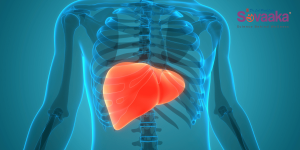
- Fatty liver disease
These conditions are closely linked to daily lifestyle choices.
Why Are Young People at Risk?
1. Sedentary Lifestyle
With increased screen time:
- Less physical activity
- Higher obesity rates
2. Poor Dietary Habits
- Fast food and processed meals
- High sugar and calorie intake
3. Stress & Mental Health Issues
Academic pressure, work stress, and social media contribute to:
- Anxiety
- Sleep disturbances
- Hormonal imbalance
Impact on Health
According to insights from Cleveland Clinic:
Short-Term Effects
- Weight gain
- Fatigue
- Reduced productivity
Long-Term Effects
- Early onset diabetes
- Cardiovascular diseases
- Increased risk of stroke
The Role of Technology
Technology has significantly changed lifestyles:
- Increased screen time
- Reduced outdoor activity
- Poor sleep patterns due to device usage
While technology offers convenience, it also contributes to unhealthy habits.
Warning Signs in Young Adults
Early symptoms often ignored include:
- Constant tiredness
- Frequent headaches
- Rapid weight gain
- Irregular sleep cycles
Ignoring these signs can lead to serious health complications later.
Prevention Strategies
1. Healthy Eating
- Include fruits, vegetables, whole grains
- Limit junk food and sugary drinks
2. Regular Exercise
- At least 30 minutes daily activity
- Incorporate walking, yoga, or sports
3. Stress Management
- Meditation and mindfulness
- Adequate sleep (7–8 hours)
4. Regular Health Check-ups
- Blood sugar and cholesterol monitoring
- Early screening for risk factors
Role of Awareness & Education
Schools, workplaces, and families play a key role in promoting:
- Healthy habits
- Physical activity
- Mental well-being
Early awareness can prevent long-term health issues.