


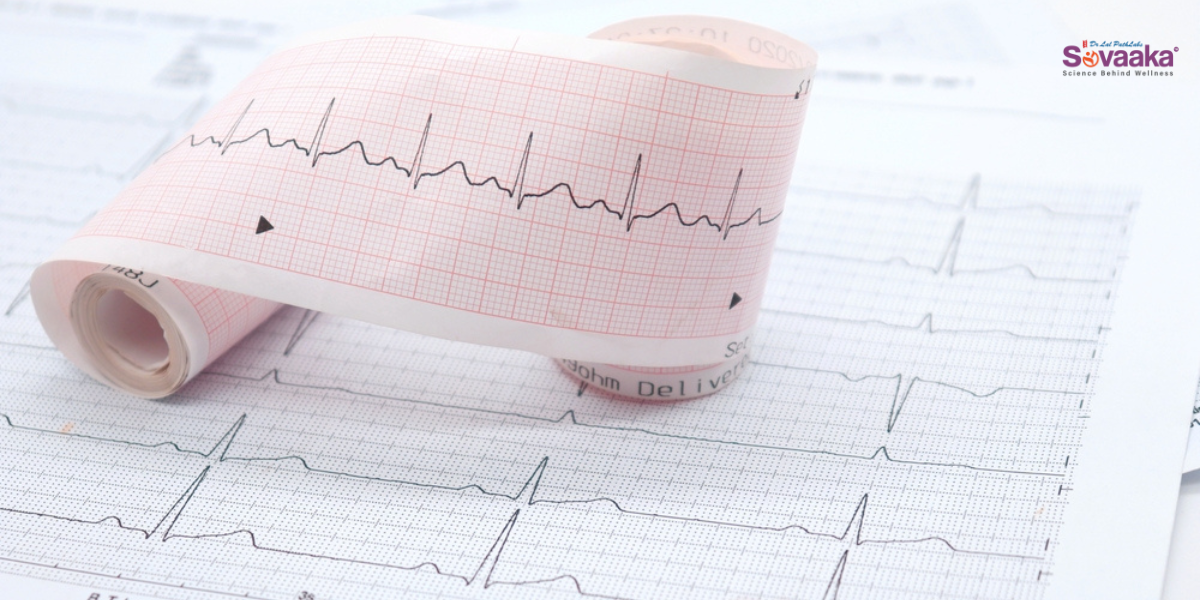
An electrocardiogram (ECG or EKG) is a simple, painless, and widely used test that records the electrical activity of your heart. It plays a crucial role in diagnosing various heart conditions, from irregular rhythms to heart attacks. Whether part of a routine check-up or an emergency evaluation, an ECG provides vital information about your heart’s health.
This blog explores what an ECG is, when it’s recommended, what it shows, how to prepare for it, and what the results can mean.
What Is an Electrocardiogram?
An electrocardiogram (ECG or EKG) is a non-invasive test that measures and records the electrical signals produced by the heart as it beats. These signals are displayed as waveforms on a monitor or printed on paper, helping doctors understand how well the heart is functioning.
The test takes 5 to 10 minutes and involves placing small electrodes (sticky sensors) on your chest, arms, and legs. These electrodes detect the electrical impulses that trigger your heartbeat and send them to a machine that records them.
The term EKG comes from the German word Elektrokardiogramm, while ECG is its English equivalent.
Why Is an ECG Ordered?
Doctors use ECGs for various diagnostic, monitoring, and preventive reasons.
- To Investigate Heart Symptoms
An ECG is often the first test ordered if you have symptoms such as:
- Chest pain or discomfort
- Shortness of breath
- Dizziness or lightheadedness
- Palpitations (fluttering or pounding heartbeat)
- Fatigue or weakness
These could indicate heart problems that need immediate evaluation.
2. To Detect Abnormal Heart Rhythms (Arrhythmias)
An ECG can reveal if your heart is:
- Beating too fast (tachycardia)
- Too slow (bradycardia)
- Irregularly (atrial fibrillation or flutter)
3. To Diagnose a Heart Attack
An ECG can show if you’re currently having or have had a heart attack. It detects changes in the heart’s electrical activity caused by reduced blood flow.
4. To Monitor Ongoing Heart Conditions
If you have an existing condition like:
- Coronary artery disease
- Heart failure
- Previous heart attack
Your doctor may use ECGs to monitor how your heart is functioning over time.
5. To Check the Effectiveness of Heart Medications or Devices
An ECG can be used to:
- Monitor the effects of heart medications
- Evaluate the function of pacemakers or other implanted heart devices
6. As Part of a Routine Check-Up
Some people undergo ECGs during:
- Pre-operative evaluations
- Annual physical exams
- Occupational screenings (especially in high-risk jobs)
Types of ECG Tests
There are different types of electrocardiograms depending on your condition and symptoms:
Resting ECG
- Performed while you lie still
- Most common and quick to administer
Stress ECG (Exercise ECG or Treadmill Test)
- Done while you walk on a treadmill or ride a stationary bike
- Evaluates how your heart performs under physical stress
Holter Monitor
- A portable ECG device worn for 24 to 48 hours
- Records your heart’s activity continuously
Event Monitor
- Worn for several days to weeks
- Records heart activity only when you activate it (during symptoms)
What Does an ECG Show?
An ECG gives a snapshot of:
- Heart rate
- Heart rhythm
- Electrical conduction pattern
- Signs of reduced blood flow to the heart
- Structural abnormalities
- Electrolyte imbalances (like potassium or calcium issues)
- The key components of an ECG waveform:
- P wave – Atrial contraction
- QRS complex – Ventricular contraction
- T wave – Ventricular recovery (repolarization)
- Abnormalities in the size, shape, or timing of these waves can indicate problems.
How to Prepare for an ECG?
Before the Test
- Wear loose-fitting clothes to allow easy access to your chest area.
- Avoid lotions or oils on your skin the day of the test, as they can affect electrode contact.
- Inform your doctor about all medications you’re taking, especially those for heart or blood pressure.
- Avoid heavy exercise, caffeine, or smoking before the test unless advised otherwise.
During the ECG Procedure
Here’s what to expect:
- You’ll be asked to lie on an exam table.
- A technician will place 10–12 electrodes on your chest, arms, and legs.
- These electrodes are connected to the ECG machine via wires.
- You will be asked to lie still and breathe normally for a few seconds.
- The machine records your heart’s electrical activity.
- Once done, the electrodes are removed — no pain or downtime involved.
Are There Any Risks Involved?
- A standard ECG is safe, quick, and risk-free.
- There is no exposure to radiation.
- You might feel slight discomfort when the electrodes are removed.
- Rarely, people may have mild skin irritation or allergic reactions to the adhesive.
Understanding ECG Results
Your doctor or a cardiologist will interpret your ECG report, looking for signs of:
- Abnormal Heart Rhythms: Atrial fibrillation, flutter, or ventricular tachycardia
- Ischemia or Heart Attack: Changes in ST segments or T waves may suggest blocked arteries
- Heart Enlargement: Tall or wide waveforms may suggest hypertrophy (enlarged heart)
- Conduction Problems: Delays or blocks in electrical signals (bundle branch block or AV block)
- Electrolyte Disturbances: High or low potassium, calcium, or magnesium can alter the ECG pattern
What Happens After the ECG?
Normal results: No treatment needed; may simply confirm that your heart is working well.
Abnormal results: Your doctor may recommend further tests such as:
- Echocardiogram
- Stress test
- Cardiac CT or MRI
- Holter monitoring
- Early diagnosis can significantly improve treatment outcomes.
When Should You Consider an ECG?
See your doctor if you experience:
- Unexplained chest pain
- Rapid or irregular heartbeat
- Dizziness or fainting spells
- Unexplained fatigue or shortness of breath
- A family history of heart disease
- An ECG is a valuable first step toward identifying potential heart problems.
Conclusion
An electrocardiogram (ECG/EKG) is non-invasive, painless, and extremely informative, allowing your doctor to assess your heart’s rhythm, detect heart attacks, and monitor long-term cardiac health. Whether done routinely or during an emergency, an ECG provides essential insights that guide further care and treatment.
Staying aware of your heart health and acting on early symptoms can make a significant difference in long-term outcomes. Talk to your doctor if you have any concerns about your heart — an ECG could be the first step toward protecting it.